


2nd Floor, Avalon Plaza, Saddar Cantt, Rawalpindi

+923112111189
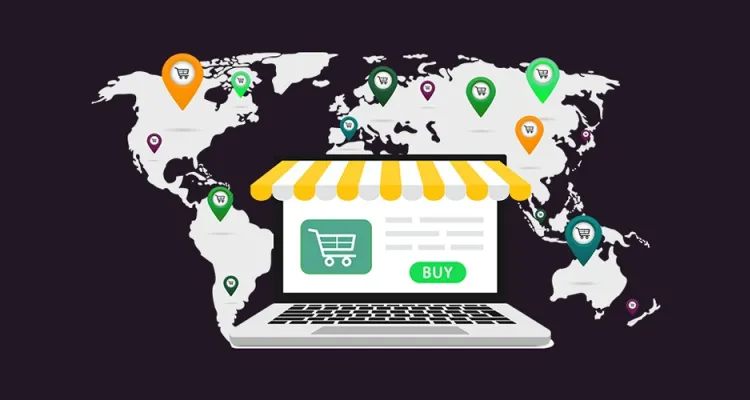
Cross-border eCommerce is opening up exciting opportunities for businesses to reach international markets. However, expanding globally comes with unique challenges that require careful planning and execution.
Localization is the first step. Selling internationally means adapting your website and marketing to align with local languages, currencies, and cultural preferences. Tools like multi-currency payment systems and local language translations are critical for building trust with foreign customers.
Another key consideration is understanding international shipping and customs regulations. Partnering with reliable logistics providers can streamline this process and minimize delays. Platforms like Amazon and eBay also offer tools to simplify cross-border transactions.
Global expansion also demands attention to customer service. Offering 24/7 support in multiple languages can help address queries promptly and enhance the buying experience.
For students at an eCommerce institute, mastering cross-border trade strategies is essential for future success. With global eCommerce projected to grow rapidly, businesses that learn to navigate these waters effectively will thrive.